A Complete Guide for Faster & Smarter Shipping
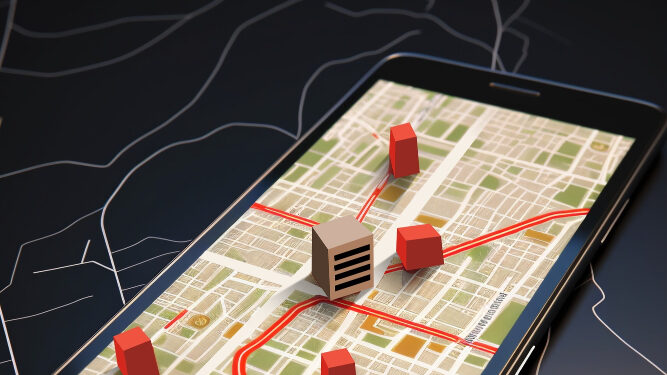
racking cargo shipments has become an essential part of modern logistics. Whether you’re a business sending goods internationally or an individual awaiting a delivery, knowing the real-time location of your cargo brings peace of mind and helps you plan better. With advanced tracking technology, customers can now monitor shipments from dispatch to final delivery — ensuring transparency, reliability, and full control.
Why Cargo Tracking Matters
Cargo tracking plays a crucial role in global trade and supply-chain efficiency. It helps customers:
✔ Monitor Shipment Movement
From loading, sailing, customs clearance, to arrival at the destination port — each milestone is updated in the system.
✔ Improve Planning & Scheduling
Customers can prepare their warehouse, transport, or manpower based on accurate arrival timelines.
✔ Reduce Delays & Resolve Issues Faster
If any delay occurs, shipment tracking provides early alerts so quick action can be taken.
✔ Increase Trust & Transparency
Businesses offering real-time tracking build stronger relationships with customers by being fully transparent.
How Shipment Tracking Works
Most logistics companies use the Bill of Lading (BL number), Container Number, or Tracking ID to monitor shipments. These numbers are linked to the carrier’s system, which updates status information such as:
- Cargo Received
- Documentation Completed
- Container Stuffed / Loaded
- Departed Origin Port
- Arrived at Transshipment Port
- Onboard for Final Destination
- Arrived at Destination Port
- Out for Delivery / Delivered
This step-by-step visibility helps minimize uncertainty throughout the shipping process.
Benefits of Using an Online Cargo Tracking System
1. Real-Time Visibility
Customers can see exactly where their cargo is and the expected time of arrival.
2. 24/7 Access
Tracking can be accessed anytime from desktop or mobile, making it convenient for international shipments.
3. Improved Accuracy
Automated updates reduce errors compared to manual communication.
4. Cost Savings
Fewer phone calls, fewer follow-ups, faster responses, and better workflow planning.
5. Enhanced Customer Experience
Businesses offering tracking create a professional, reliable, and customer-friendly service.
Key Tracking Methods
🔹 Container Tracking
Using container numbers provided by the shipping line.
🔹 AWB Tracking
For air cargo shipments using the Air Waybill number.
🔹 BL Tracking
Bill of Lading tracking is the most common method in sea freight.
Why Choose SLTRANSCO for Cargo Tracking
SLTRANSCO provides a highly efficient, user-friendly tracking system that delivers:
- Fast and accurate shipment updates
- Easy tracking using BL/Container number
- Reliable customer support
- Transparent communication
- End-to-end logistics visibility
Customers can track sea freight, air freight, and inland transport shipments from one simple interface — ensuring smooth handling from origin to destination.
How to Track Your Cargo Shipment (Step-by-Step)
- Locate your Tracking Number / BL Number / Container Number.
- Visit the SLTRANSCO Tracking Page.
- Enter your tracking details into the tracking input box.
- Click “Track Now” to get the latest shipment status.
- View real-time updates including pickup, departure, transit, arrival and custom clearance milestones.
Final Thoughts
Cargo tracking is no longer a luxury — it’s a necessity for businesses and individuals involved in international trade. With a dependable tracking system like SLTRANSCO’s, customers can enjoy complete visibility, fewer delays, and faster decision-making.
A smarter tracking experience leads to smoother logistics operations and a better customer journey.